Whether you're an adventurous solo traveler, a honeymooning couple, a family with kids, or a group of friends, we have something special designed for you.
What sets Lake Eyasi apart is its role as home to the Hadzabe and Datoga tribes—some of the last remaining hunter-gatherers and traditional pastoralists in Africa. A visit here provides a rare opportunity to learn directly from these communities about ancient survival techniques, bushcraft, and traditional ways of life.
Whether you're an adventurous solo traveler, a honeymooning couple, a family with kids, or a group of friends, we have something special designed for you.
Lake Eyasi offers authentic cultural interaction with the Hadzabe and Datoga tribes and is ideal for travelers seeking immersive, less touristy experiences.
Where is Lake Eyasi located?
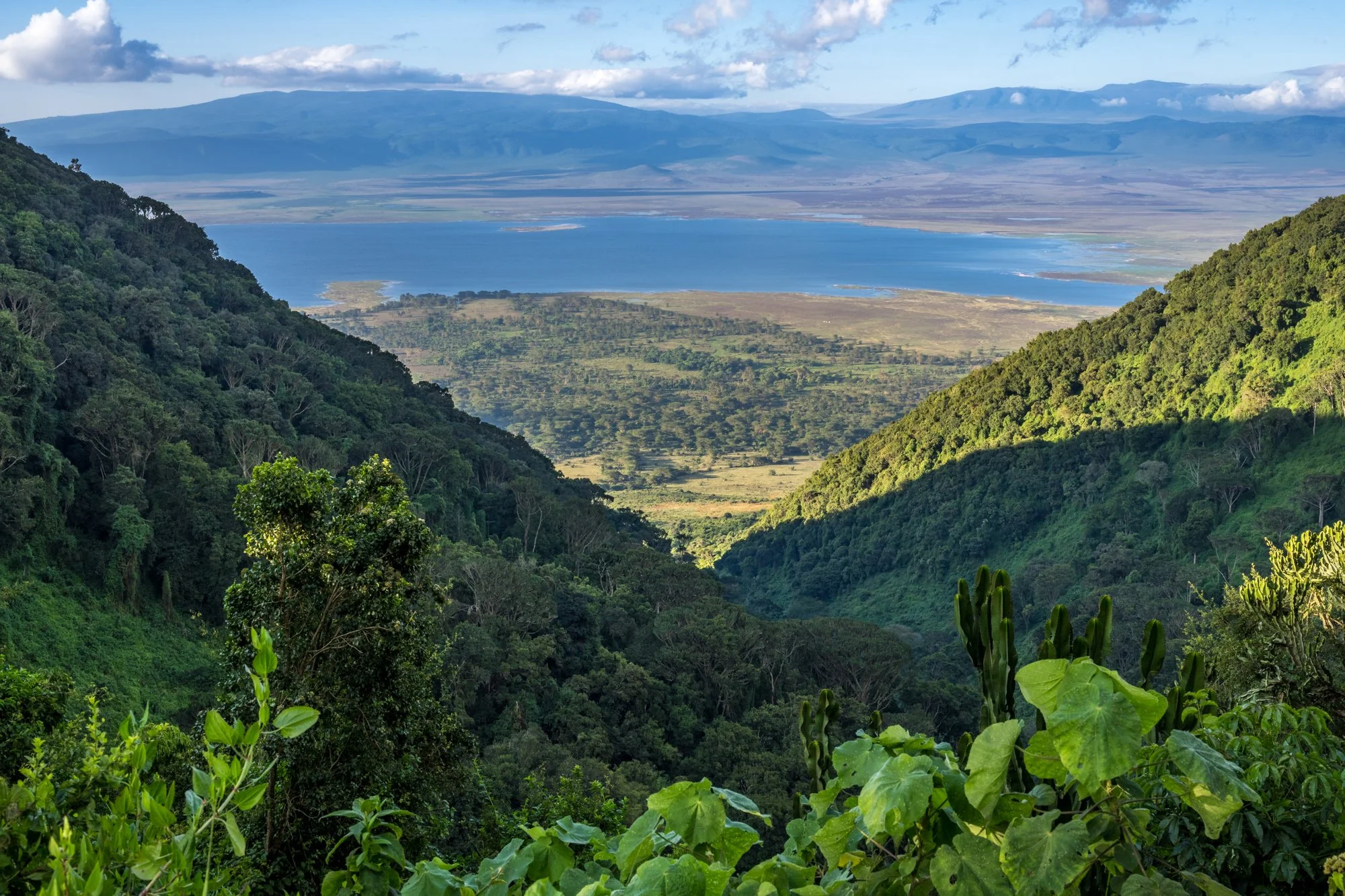
It is situated in northern Tanzania, southwest of the Ngorongoro Crater and about a 2-hour drive from Karatu.
What can I do at Lake Eyasi?
Visit and hunt with the Hadzabe tribe Learn metalworking and traditional crafts with the Datoga Enjoy bird watching and walking safaris Explore the scenic lake and surrounding landscapes
When is the best time to visit?
The dry season (June to October) is ideal for accessibility and cultural visits. The lake often fills during the rainy season (March to May), attracting migratory birds.
How long should I stay?
A day trip is possible, but 1–2 nights allows for a deeper cultural experience and exploration.
Is it suitable for families?
Yes, cultural visits can be enriching for families, though young children may need guidance during tribe visits or hikes.
What kind of accommodation is available?
There are a few eco-lodges and tented camps near the lake, offering basic but comfortable stays.
Is it included in a standard safari itinerary?
It can be added as an extension to a Northern Circuit Safari, especially after visiting the Ngorongoro Crater.
Is it a wildlife area?
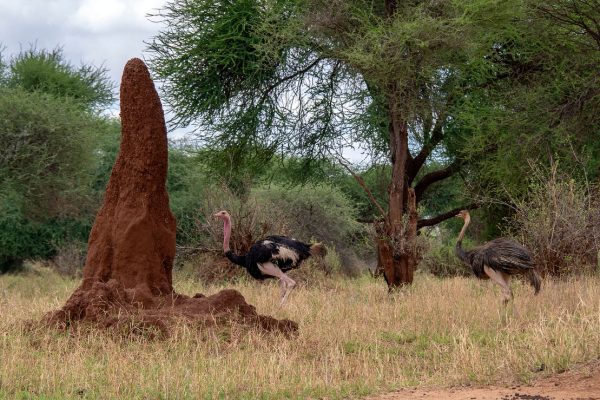
While not a big-game destination like Serengeti, the lake area features small mammals, reptiles, and abundant birdlife.
How do I get there?
Access is typically by road from Karatu or Ngorongoro; a 4x4 vehicle is recommended, especially during the rainy season.