Whether you're an adventurous solo traveler, a honeymooning couple, a family with kids, or a group of friends, we have something special designed for you.
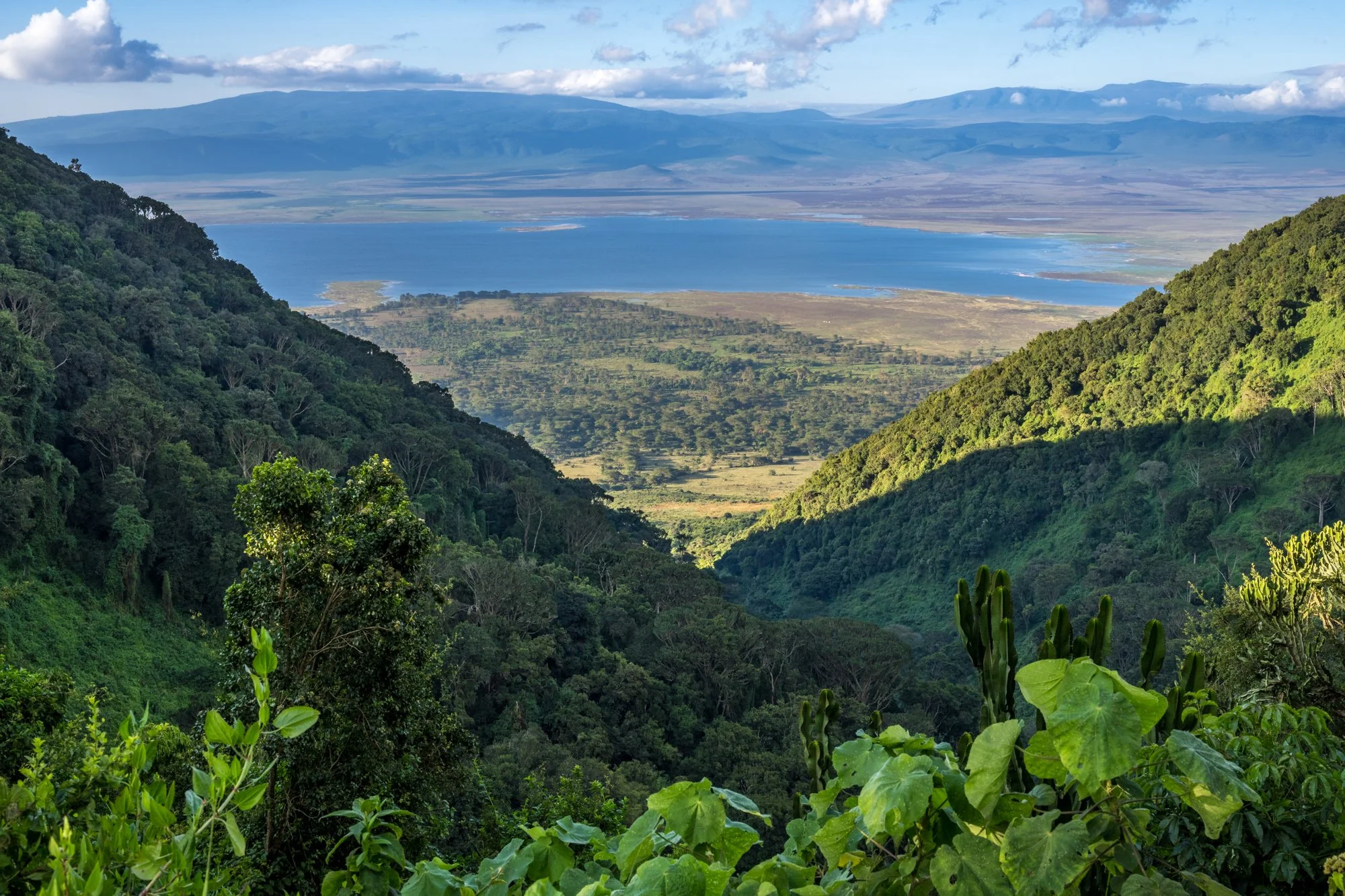
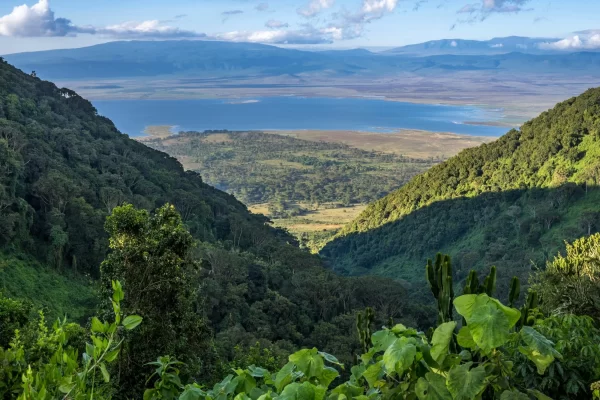
The Ngorongoro Conservation Area is a UNESCO World Heritage Site in northern Tanzania, home to the stunning Ngorongoro Crater - the world’s largest intact volcanic caldera. Known for its dense wildlife population, including the Big Five, the crater offers one of Africa’s best safari experiences in a breathtaking natural setting.
Whether you're an adventurous solo traveler, a honeymooning couple, a family with kids, or a group of friends, we have something special designed for you.
It’s a UNESCO World Heritage Site in northern Tanzania, famous for the Ngorongoro Crater—the world’s largest inactive volcanic caldera and a top wildlife destination.
Where is Ngorongoro located?
It's about 180 km (4–5 hours drive) west of Arusha, between Lake Manyara and Serengeti National Park.
Can I visit Ngorongoro on a day trip?
Yes, it's a popular day trip destination from Karatu or even Arusha, though staying nearby allows more time for exploration.
What animals can I see in the Crater?
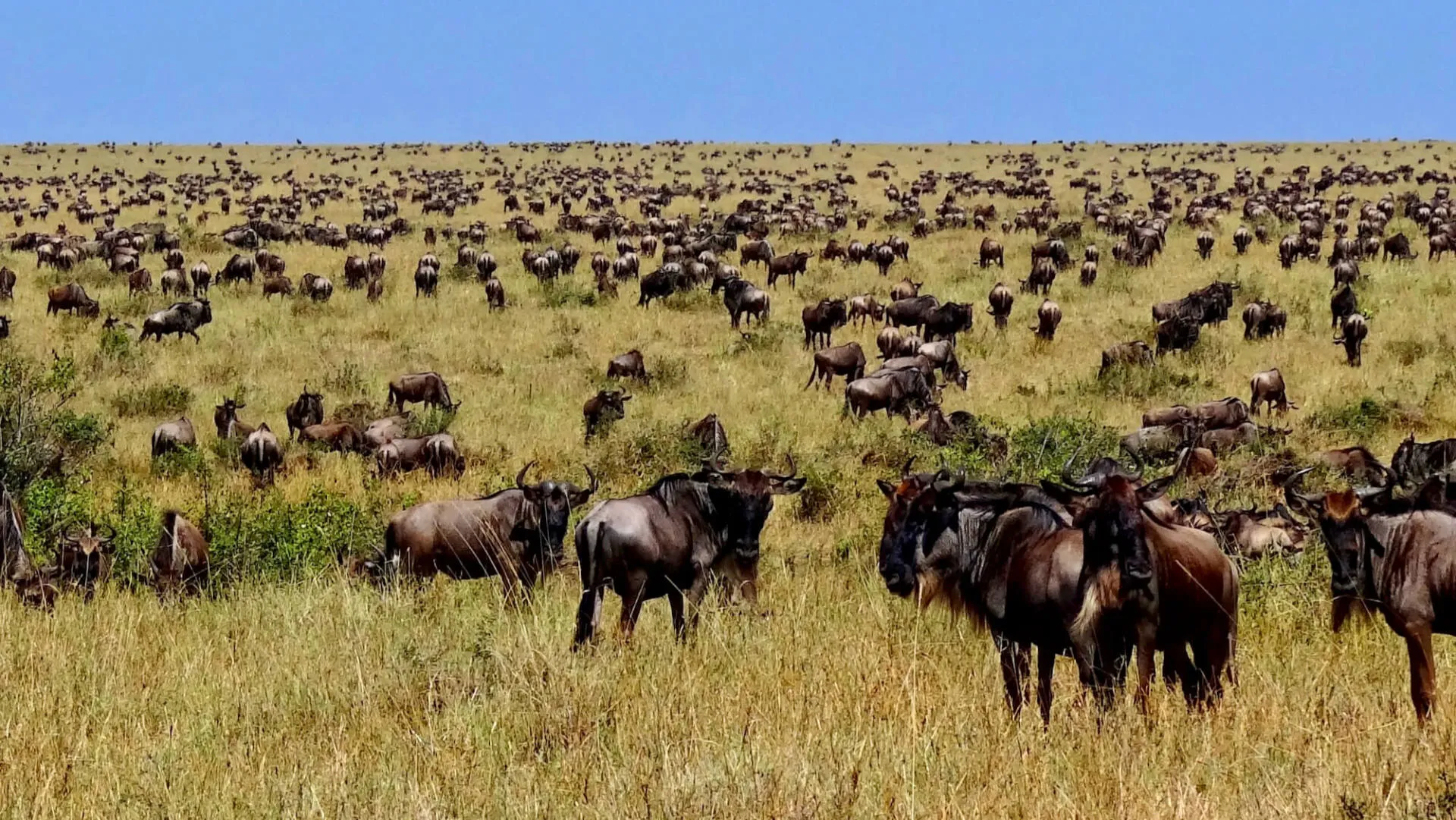
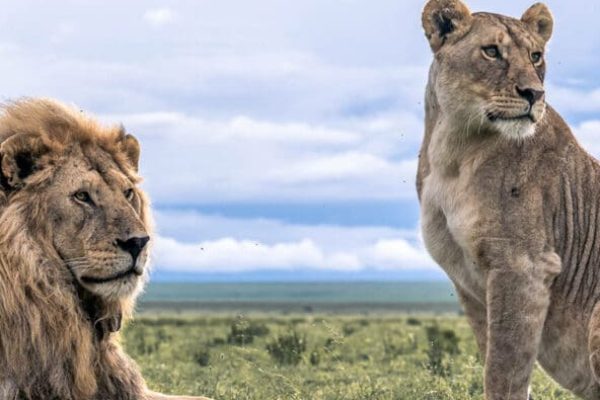
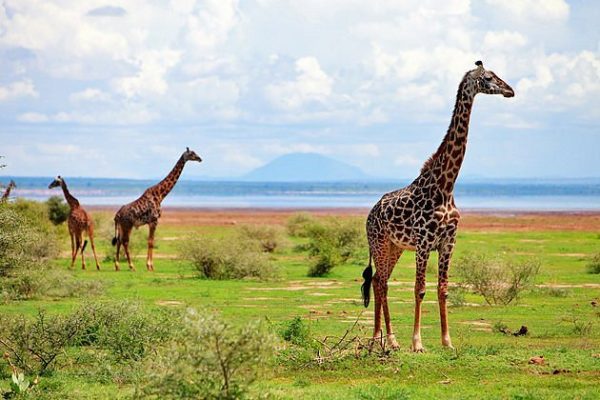
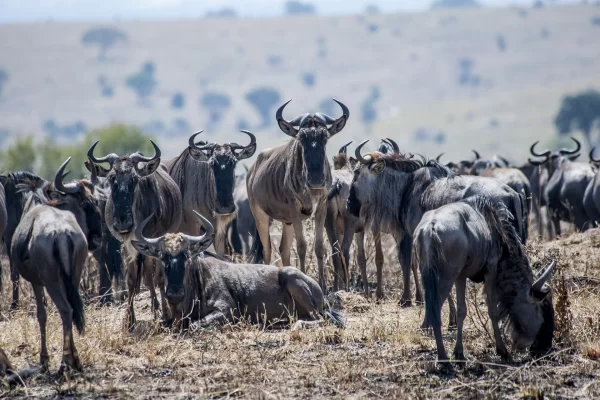
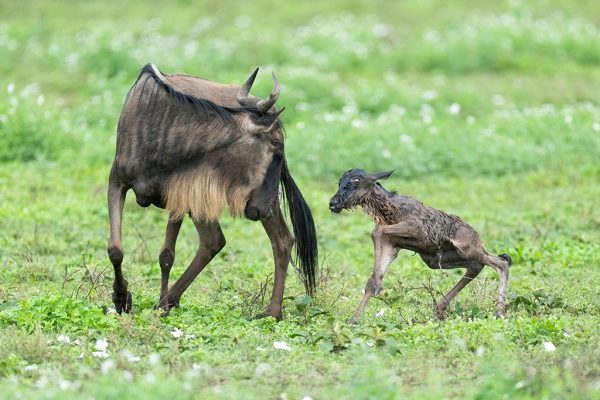
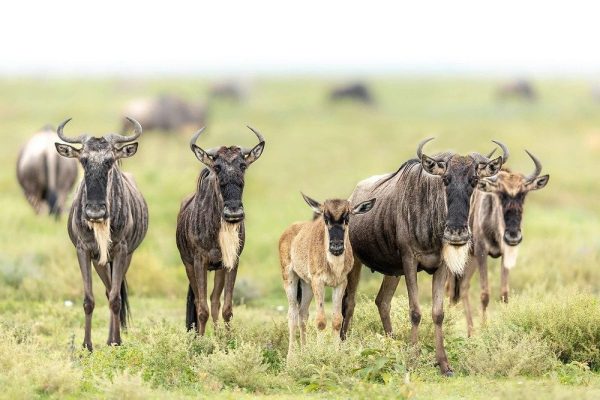
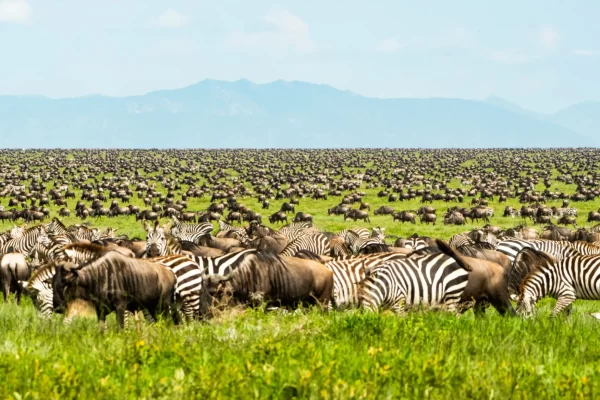
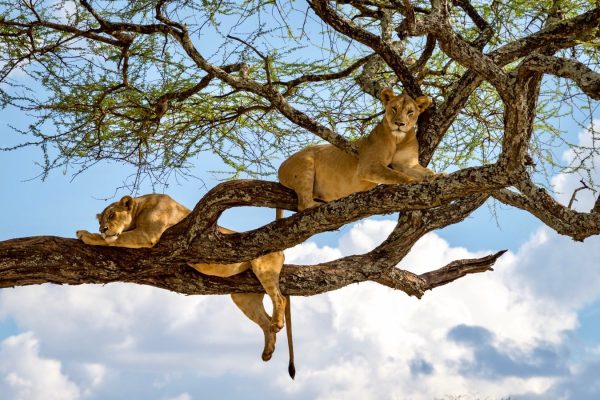
Lions, elephants, rhinos, buffalo, hippos, hyenas, zebras, wildebeest, jackals, and flamingos. It's one of the best places in Africa to see the endangered black rhino.
What is the best time to visit?
Year-round is great, but the dry season (June–October) offers better visibility. The green season (November–May) brings lush landscapes and birdlife.
Do I need a guide or permit?
Yes, a licensed guide and a valid permit are required. Permits are typically handled by tour operators.
Are there accommodations in the area?
Yes—lodges and camps are available in and around the Crater rim and Karatu town, ranging from budget to luxury.
Is it part of the Serengeti?
No, but it's part of the greater Serengeti ecosystem. Many safaris combine Serengeti and Ngorongoro.
Is walking allowed inside the Crater?
No. Only game drives are allowed in the Crater. However, walking safaris are available in other parts of the conservation area with a ranger.